
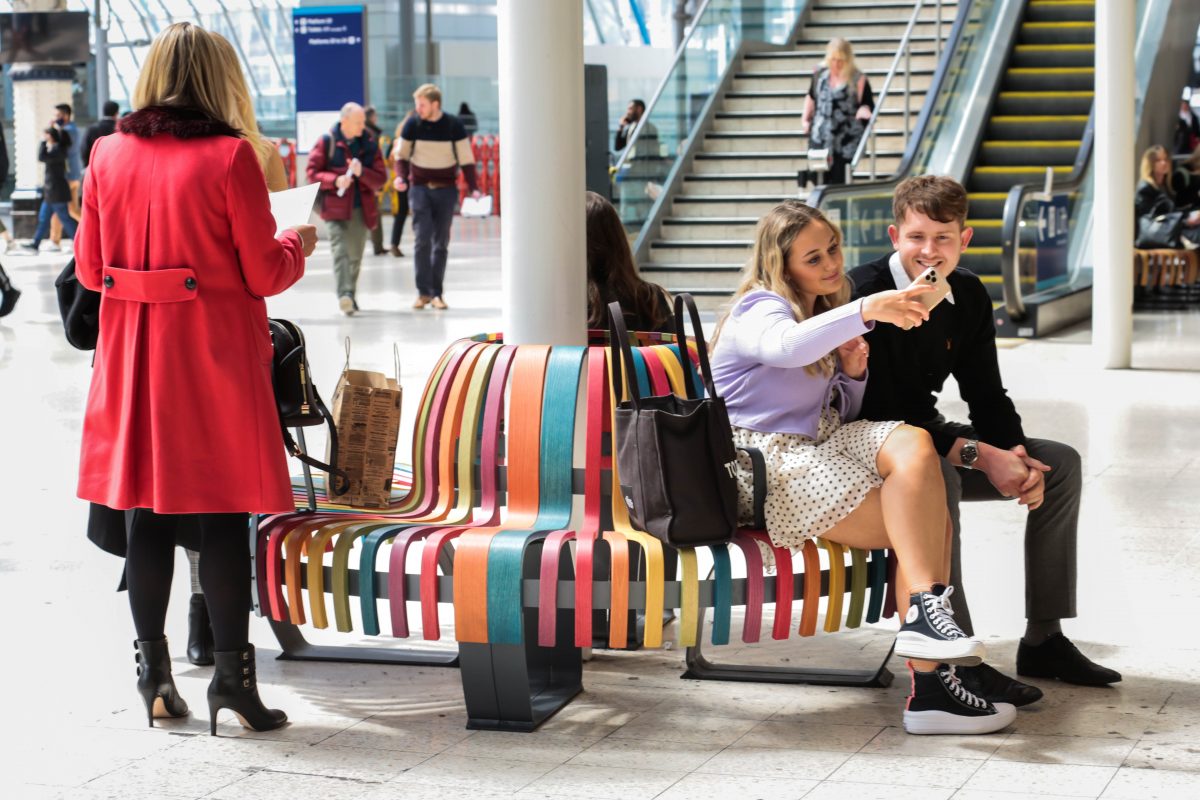

Creative thinking rarely happens in isolation. It often develops through movement, informal interaction and exposure to different environments. This is why the design and accessibility of shared spaces matter so much in urban settings. When people spend time in a creative space in Bangkok that blends openness with structure, ideas tend to emerge more naturally, shaped by surroundings rather than confined by them.
Unlike enclosed studios or private offices, open creative spaces allow people to think without the pressure of output. They create room for observation, reflection and spontaneous connection, which are all essential parts of the creative process.
Space that allows ideas to breathe
Creative work often benefits from moments of pause. Open environments provide that breathing room by removing the sense of confinement that can come with enclosed settings. Natural light, open sightlines and the presence of greenery help reduce mental fatigue and encourage a slower, more reflective pace of thought.
When people are not boxed into rigid layouts, they tend to approach problems differently. A bench, a shaded walkway or a shared open area can become a place to sketch ideas, rethink a challenge or simply sit with a thought until it develops further.
Informal interaction and idea exchange
Creative spaces also support unplanned interaction, which often leads to new perspectives. Conversations that happen casually, without agendas or meeting rooms, can introduce ideas that would not surface in more structured environments. These exchanges are usually brief but influential, offering fresh angles rather than fully formed solutions.
The absence of formal boundaries makes interaction feel optional rather than expected. People can engage when it feels useful and withdraw when they need space. This balance supports collaboration without overwhelming those who prefer to work independently.
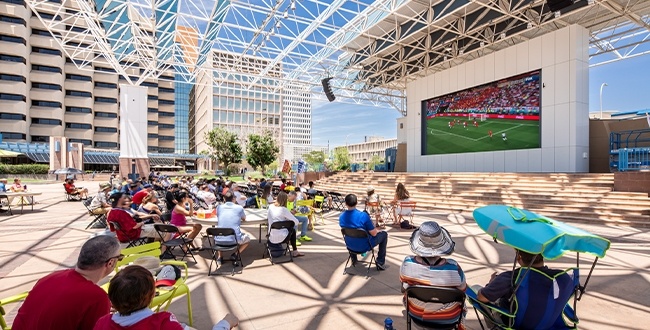
Movement as part of the thinking process
Physical movement plays an important part in how people think. Walking through an open space, changing seating or moving between areas helps break repetitive thought patterns. This gentle shift in environment often leads to clearer thinking and improved problem solving.
Creative spaces that encourage movement allow people to reset mentally without leaving the area. The act of moving becomes part of the creative process, helping ideas develop through rhythm rather than pressure.
A shared environment with individual freedom
One of the strengths of open creative spaces is their ability to support different working styles at the same time. Some people may use the space for focused reflection, while others engage socially or observe what is happening around them. Each approach feeds into the wider creative atmosphere without requiring uniform behaviour.
This freedom makes creative spaces feel inclusive rather than prescriptive. People are not told how to use the space, they discover what works for them. That sense of autonomy often leads to more meaningful engagement with both the environment and the ideas that emerge within it.
Creative spaces do not need to dictate outcomes to be effective. By offering openness, movement and room for informal connection, they provide the conditions where creative thinking can develop naturally, shaped by experience rather than instruction.
Comments are closed.