
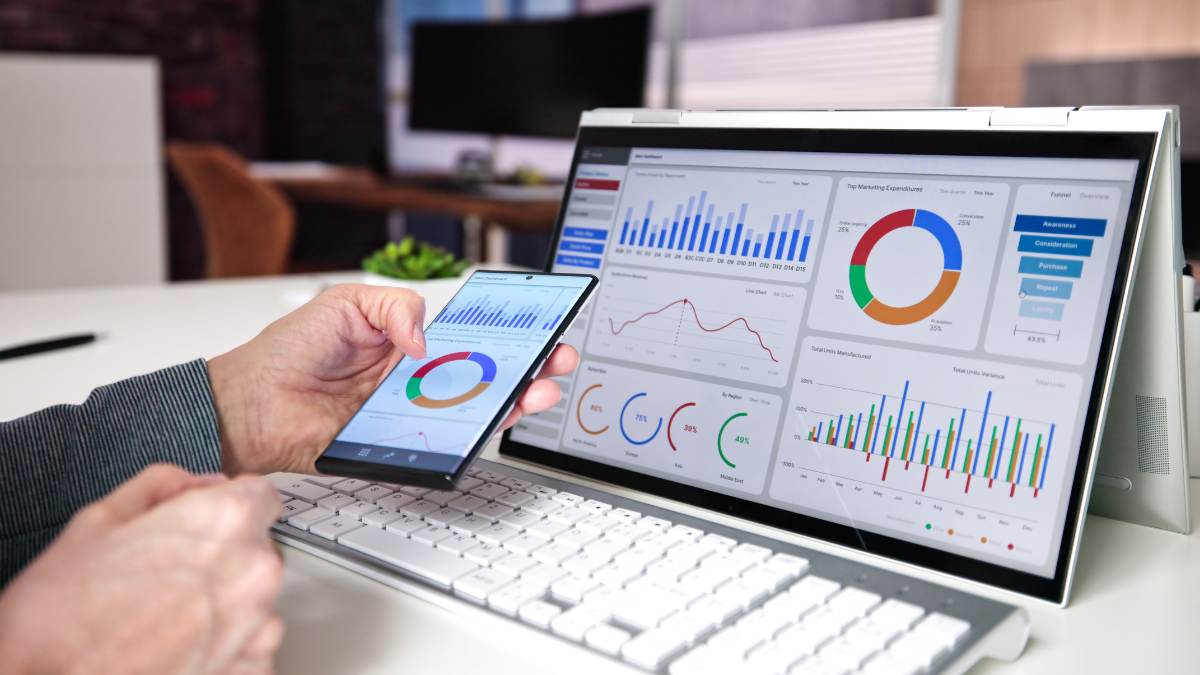

Social media marketing is no longer about posting regularly and hoping for engagement. Real progress happens when decisions are guided by data, trends, and measurable performance indicators. Social media analytics helps marketers understand what works, what doesn’t, and where improvements can produce better results.
Tracking performance consistently allows brands to refine strategy, improve audience targeting, and maximize return on effort and investment 📊
What Is Social Media Analytics?
Social media analytics refers to the process of collecting, measuring, and interpreting performance data from social platforms to evaluate the effectiveness of content and campaigns.
It helps answer essential questions such as:
- Are people engaging with your content?
- Which posts drive the most traffic?
- What type of content performs best?
- When is your audience most active?
- Are campaigns achieving business goals?
Without analytics, social media becomes guesswork instead of strategy.
Why Performance Tracking Matters
Many brands post content regularly but never evaluate outcomes. This leads to wasted effort and missed opportunities.
Performance tracking helps you:
- Identify high-performing content formats
- Improve audience understanding
- Optimize posting schedules
- Increase engagement rates
- Strengthen campaign planning
- Measure return on marketing effort
In simple terms, analytics transforms activity into insight.
Key Social Media Metrics You Should Track
Tracking the right metrics ensures meaningful improvements. Focusing only on follower count provides an incomplete picture.
Important performance indicators include:
Engagement Rate
Engagement rate reflects how actively people interact with your content through:
- Likes
- Comments
- Shares
- Saves
- Replies
Higher engagement signals stronger audience connection.
Reach
Reach measures how many unique users see your content. It shows how effectively your posts are being distributed across the platform.
Strong reach indicates improved visibility and content relevance.
Impressions
Impressions track how often your content appears on screens, even if the same user views it multiple times.
This metric helps evaluate exposure frequency.
Click-Through Rate (CTR)
CTR shows how many users clicked a link after viewing your content.
This is especially important for:
- website traffic
- landing page visits
- campaign conversions
Conversion Rate
Conversion rate measures how many users completed a desired action after interacting with your content.
Examples include:
- signing up
- purchasing
- downloading resources
- submitting inquiries
Conversions connect social media activity directly to business outcomes.
Understanding Audience Insights
Analytics platforms provide detailed audience information that helps shape content decisions.
Useful audience insights include:
- Age groups
- Geographic locations
- Active time periods
- Interests
- Device usage behavior
These insights help marketers create content that feels relevant rather than generic.
Tracking Content Performance Effectively
Not all posts perform equally. Some formats naturally generate higher interaction.
Analyze performance across different content types such as:
- short videos
- carousels
- educational posts
- storytelling content
- polls and interactive posts
Identifying patterns helps repeat successful strategies consistently.
Choosing the Right Performance Tracking Tools
Most social platforms already provide built-in analytics dashboards. These tools offer valuable real-time performance information.
Common analytics tools support tracking of:
- engagement trends
- follower growth
- audience behavior
- campaign performance
- post reach comparison
Third-party analytics platforms can combine multiple channels into a single reporting interface for easier monitoring.
Setting Clear Goals Before Measuring Results
Analytics becomes meaningful only when connected to defined objectives.
Examples of measurable goals include:
- increasing engagement by 20%
- improving website traffic from social channels
- growing follower base within a specific audience segment
- boosting campaign conversions
Clear goals help interpret data correctly instead of reacting randomly to numbers.
Monitoring Posting Time Performance
Timing significantly affects visibility.
Analytics reveals when your audience is most active, allowing you to publish content during peak engagement windows.
Benefits include:
- better reach
- stronger engagement
- improved algorithm support
- higher interaction probability
Even small timing adjustments can produce noticeable improvements ⏰
Evaluating Competitor Performance Strategically
Competitor analysis helps identify trends and gaps in your own strategy.
Observing competitor performance allows you to:
- compare engagement patterns
- discover content ideas
- understand audience expectations
- identify overlooked opportunities
The goal is not imitation, but smarter positioning.
Turning Analytics Into Actionable Strategy
Collecting data alone does not improve performance. Interpretation and adjustment create results.
Use analytics insights to:
- refine content themes
- adjust posting frequency
- experiment with formats
- improve captions and visuals
- optimize campaign targeting
Consistent improvement transforms analytics from reports into growth tools 🚀
FAQs About Social Media Analytics and Performance Tracking
1. How often should social media analytics be reviewed?
Weekly reviews help track short-term performance trends, while monthly reviews provide deeper strategic insights.
2. Which metric is more important: reach or engagement?
Both matter, but engagement usually reflects stronger audience connection and content effectiveness.
3. Can analytics help improve content creativity?
Yes. Performance insights reveal what audiences respond to, helping guide creative direction more effectively.
4. Is it necessary to track analytics on every platform separately?
Tracking each platform individually provides more accurate insights because audience behavior varies across channels.
5. Do small accounts benefit from analytics tracking?
Absolutely. Analytics helps smaller accounts grow faster by identifying what content performs best early on.
6. What is a good engagement rate on social media?
A strong engagement rate depends on the platform and audience size, but consistent improvement matters more than fixed benchmarks.
7. How long should performance data be tracked before making strategy changes?
Tracking performance for at least 3–4 weeks provides enough data to identify reliable trends before adjusting strategy.
Comments are closed.