
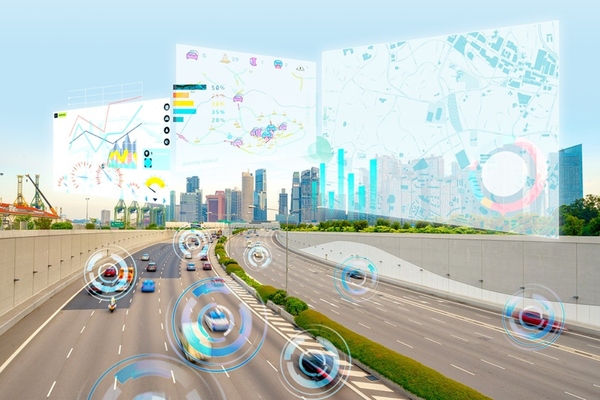

Urban mobility is undergoing a profound shift as new technologies reshape how cities move people efficiently, sustainably, and safely. Modern innovations are not only improving transit performance but also redefining the commuter experience.
Smarter Transit Systems With Data and AI
Artificial intelligence and real-time data analytics are enabling transit networks to operate with greater precision. These systems improve forecasting and optimize traffic movement across dense urban areas.
Key Advancements
-
Predictive analytics to anticipate passenger demand and adjust services accordingly
-
AI-enhanced traffic signals that reduce congestion and prioritize public transit
-
Real-time fleet monitoring for more reliable schedules and minimized delays
Mobile Integration and Seamless Commuting
Digital tools are making transportation more accessible and convenient for daily commuters. Mobile platforms now serve as the central hub for planning, ticketing, and managing trips.
Notable Improvements
-
Mobile ticketing for frictionless boarding
-
Trip-planning apps that integrate buses, trains, micro-mobility, and walking routes
-
Unified payment systems supporting multiple transport modes in one interface
Electric and Autonomous Vehicles in Public Transit
Electrification and automation are reshaping the environmental and operational landscape of urban mobility.
Benefits Driving Adoption
-
Lower emissions contributing to improved air quality
-
Reduced operating costs for electric buses compared to traditional fleets
-
Autonomous shuttles enhancing last-mile transit options in controlled environments
Enhancing Safety and Rider Experience
Technology-driven improvements increase trust and comfort within public transportation systems.
Examples of Positive Impact
-
Smart surveillance systems enhancing passenger security
-
Onboard Wi-Fi and digital displays improving communication and trip awareness
-
Condition monitoring sensors ensuring safer vehicles and reduced maintenance issues
Expanding Micro-Mobility for Flexible Travel
The rise of shared micro-mobility—such as e-scooters and e-bikes—provides short-distance solutions that complement mass transit.
Why Micro-Mobility Matters
-
Bridges the first- and last-mile gap
-
Reduces reliance on cars for short trips
-
Increases overall transportation network efficiency
Sustainable and Connected Urban Mobility Ecosystems
Integrated mobility ecosystems are emerging as cities transition toward cleaner and smarter transportation systems.
Core Elements of a Connected Future
-
Interoperable transport systems that allow seamless transfers
-
Smart infrastructure, including IoT-enabled roads and transit hubs
-
Eco-focused initiatives promoting reduced emissions and cleaner travel options
Frequently Asked Questions
1. What is the biggest advantage of integrating technology into public transportation?
It significantly improves efficiency by enabling better route planning, schedule reliability, and resource allocation.
2. How does AI help reduce traffic congestion?
AI systems analyze real-time traffic conditions and adjust signal timings or reroute fleets to minimize bottlenecks.
3. Are electric buses cost-effective for cities?
Yes, although they require higher upfront investment, they typically offer lower long-term maintenance and fuel costs.
4. How do mobile apps enhance commuter convenience?
They provide real-time updates, route suggestions, and seamless digital ticketing in a single platform.
5. Will autonomous vehicles fully replace human-operated transit?
Not in the immediate future; they will more likely complement existing services, especially in low-demand routes.
6. What challenges do cities face when adopting micro-mobility solutions?
Key challenges include regulation, safety enforcement, and infrastructure adaptation for bikes and scooters.
7. How does smart infrastructure improve transit efficiency?
Connected sensors and systems offer insights into traffic flow, vehicle performance, and passenger trends to optimize operations.
Comments are closed.